
Completion requirements
Lecture’s Objectives :
By the end of this lecture, students will be able to:
- Identify some characteristics about efficient language teaching guidelines and their procedures.
- Elaborate the content provided critically.
Part One: Brown’s identification of good language teachers’ characteristics.
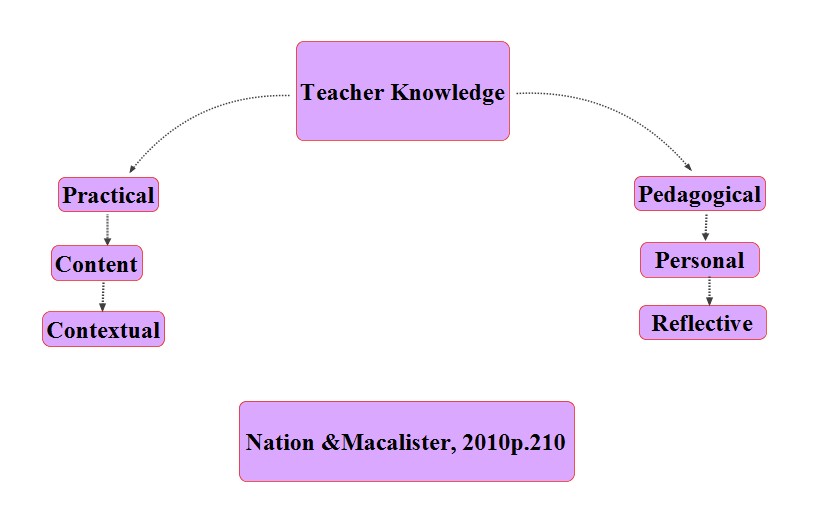
Technical Knowledge:
It contributes towards the effectiveness of the teaching process whereby teachers could successfully equip themselves with a solid understanding of the English language system, fluent competence in the four language skills and sufficient awareness of the relationship between language and culture. All these pre-mentioned parameters are merely the essence to create an impactful learning experience. While good knowledge is mandatory, teachers need to keep themselves updated with their field of specialty though seminars, workshop and conferences.
Pedagogical Skills:
Pedagogy is regarded as one of the main pillars of the teaching practice. Hence, teachers need to grasp a well thought out approach of teaching which can be linked to a variety of techniques that foster constructive engagement. Indeed, designing lesson plans, using appropriate classroom management techniques and skills lead to discovering more about learners’ needs and styles for creating fair opportunities accordingly. Teachers who are truly aware of the needed pedagogical skills know how to provide feedback, make adaptation to the textbooks used in addition to creatively invent new ways of delivering knowledge that can be compatible with the learners’ abilities.
Interpersonal Skills:
These denote the ability of teachers to maintain effective communication with others such: learners and colleagues. Those skills also contribute towards the acquisition of cross cultural awareness, tolerance and empathy. As far as the classroom setting is concerned, there is an urge need to building up good rapport with leaners and then integrating slow ones within the process of learning along with their peers. Being patient, cooperative and emotionally capable teachers pave the way towards higher teaching efficacy and personal growth.
Personal Skills
Teaching tends to be an ongoing process of self-development and reflection. Teachers in this respect are required to be incorporated in training opportunities and professional meetings. Maintaining goals leads teachers to adjust their teaching practice so as to better understand the challenges, limitations and obstacles that can be faced. Indeed, the investment in professional, social and emotional growth enhances the relationship between teachers and learners from one side and leveling up scholastic achievements from the other.
Part Two: Pittman's identification of Teacher’s Responsibilities.
- Teacher’s Responsibilities
1. Timing
2. Oral practice, to support the textbook structures.
3. Revision.
4. Adjustment to special needs of individuals.
5. Testing
6. Developing language activities other than those arising from the textbook.
(Pittman 1963: 177–178)
Last modified: Friday, 21 November 2025, 8:16 PM